
When Power and Systems Fail: Mechanical Spring Starters for Emergency Rescue Equipment

Emergency

Starting Challenges in Emergency Scenarios

In disaster response, flood relief and extended power outages, a starting system can be affected by the conditions it depends on:

  • Battery Dependence: Batteries self-discharge over long standby periods and can lose performance in extreme cold or after exposure to water.
  • Compressed Air Dependence: Pneumatic starting relies on air tanks, air lines and compressors, and available pressure can fall during a prolonged outage.
  • Control System Dependence: Control wiring and solenoids can be affected by vibration, water ingress or contamination.

When the power source or control system is unavailable, rescue pumps and generators may not be able to start.

The Solution: Mechanical Spring Starter
HEXASTART’s mechanical spring starter does not depend on batteries, compressed air or electrical controls. Energy is stored as mechanical potential energy by manual winding. Pulling the trip lever releases the stored energy to crank the diesel engine, giving emergency equipment a dependable starting option when other starting methods are unavailable.

Key Advantages for Disaster Relief & Emergency Equipment
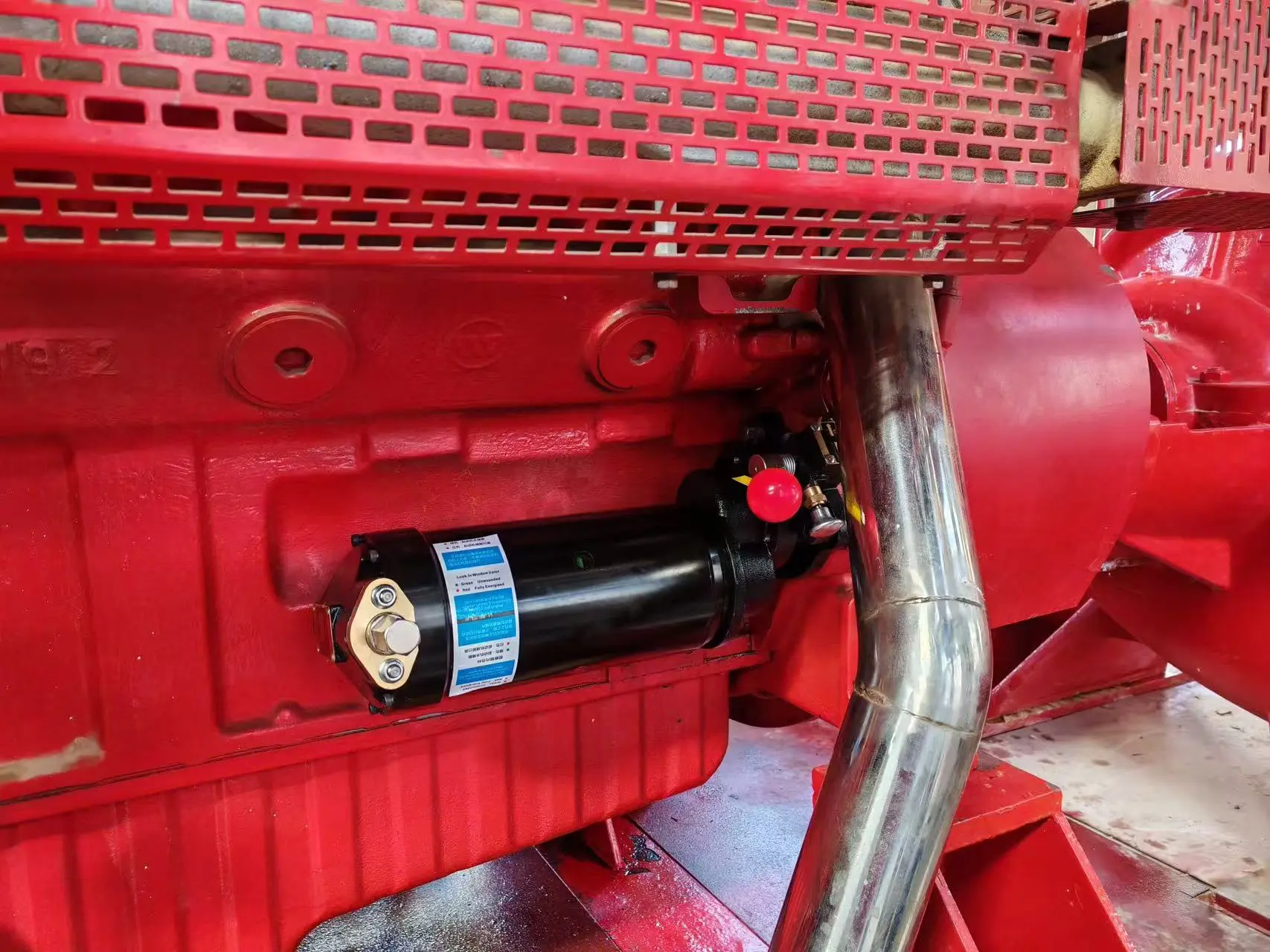
  • Independent of Batteries, Compressed Air and the Grid: Starting does not rely on stored electricity, an air supply or mains power.
  • Hand-Charged Energy Storage: Energy is stored by manual winding, so the engine can be started during a total blackout.
  • Instant Torque Release: The stored energy is released directly to the flywheel ring gear to crank the engine, supporting equipment such as flood drainage pumps, fire pumps and emergency generator sets.